Introduction to Rolex Watches
Rolex, established in 1905, is a Swiss luxury watchmaker that has secured its place in the pantheon of esteemed horological brands. Renowned for its precision, durability, and exquisite craftsmanship, Rolex has evolved from its beginnings as a small watch dealership in London to a globally recognized symbol of luxury and sophistication. The brand prides itself on its commitment to innovation, merging cutting-edge technology with timeless design to create pieces that stand the test of time.
Rolex watches are celebrated not only for their aesthetic appeal but also for their mechanical excellence. Each timepiece undergoes rigorous testing to ensure it meets the highest standards of quality. The company is particularly known for its commitment to waterproofing, exemplified by the famous Oyster case introduced in 1926, a feature that has become a hallmark of the brand and set a precedent in the luxury watch segment.
The brand continues to push boundaries in the watchmaking industry, introducing several notable technologies such as the self-winding mechanism and the datejust complication. These innovations not only enhance the functionality of Rolex watches but also contribute to their status as coveted collector’s items. Moreover, Rolex watches are often seen as an investment opportunity, as certain models appreciate in value over time, making them desirable for both watch enthusiasts and collectors alike.
Despite their illustrious reputation, Rolex watches can also provoke discussion surrounding their exclusivity, high price points, and the pressure associated with ownership. The combination of historical significance, innovative craftsmanship, and prominent brand reputation necessitates a thorough examination of the advantages and disadvantages involved with owning a Rolex watch, leading us to delve deeper into this multifaceted topic.
Advantages of Owning a Rolex Watch
Owning a Rolex watch brings numerous benefits that appeal to a wide range of individuals, whether they are watch enthusiasts or simply discerning collectors. First and foremost, Rolex is synonymous with high-quality craftsmanship. Each timepiece is meticulously designed and manufactured using top-grade materials, ensuring longevity and durability. This commitment to excellence makes Rolex watches a reliable choice for everyday wear, as they can withstand the test of time under various conditions.
In addition to their superior quality, Rolex watches serve as powerful status symbols. Wearing a Rolex can convey sophistication and success, reflecting a lifestyle of achievement. This perception is bolstered by the brand’s long history and association with high-profile figures from various fields, including sports, entertainment, and politics. Consequently, this connection not only enhances personal style but also contributes to the exclusivity often sought by luxury consumers.
Another significant advantage is the investment potential of Rolex watches. Many models appreciate in value over time, making them a wise choice for those looking to diversify their investment portfolios. Unlike other luxury items that may depreciate, certain Rolex watches have been known to increase in worth, attracting collectors and investors alike. The strong resale market further underscores the brand’s appeal, with various models fetching impressive prices at auctions and sales.
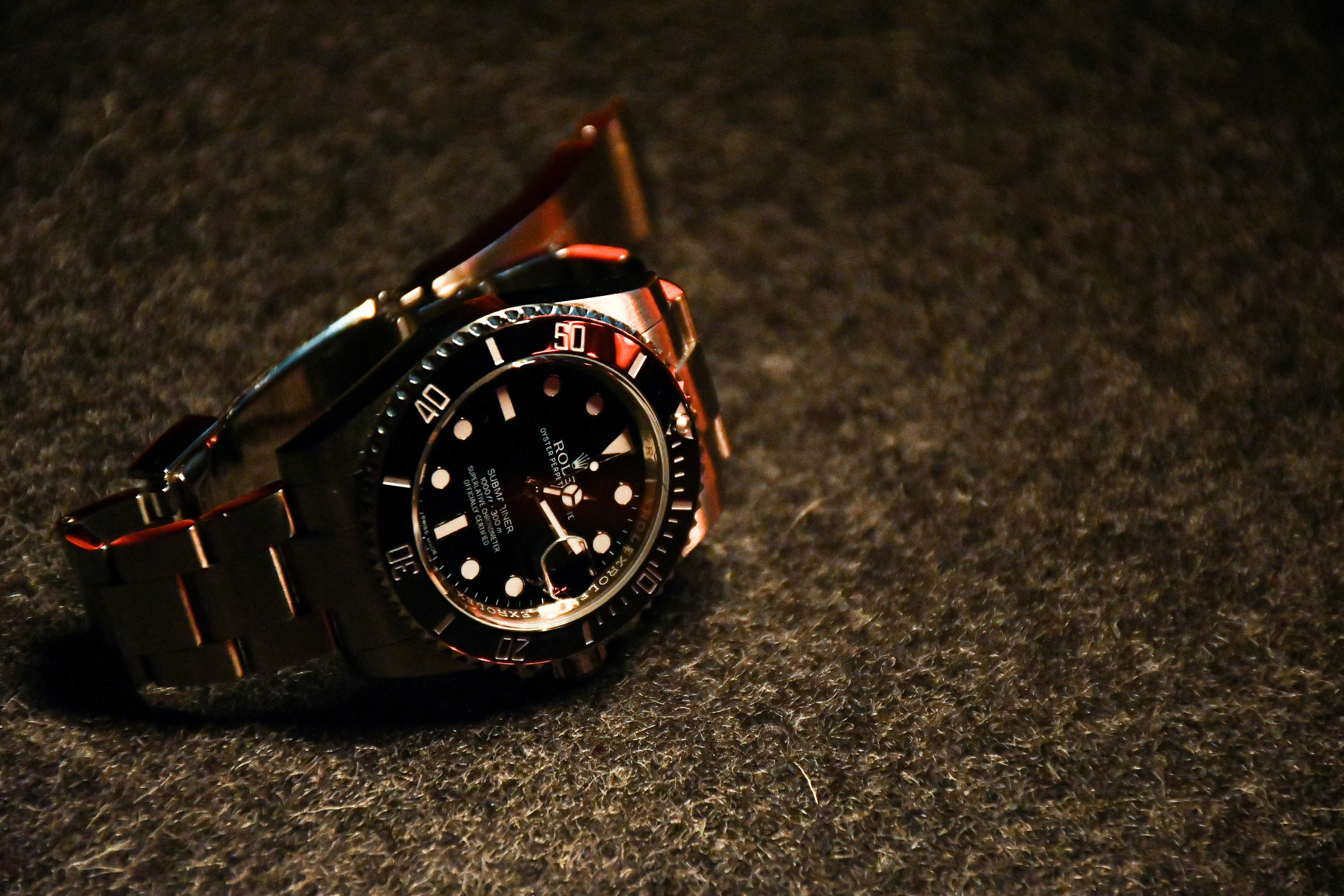
Moreover, Rolex offers a diverse range of styles and designs that cater to different tastes and preferences. Whether one is drawn to the classic aesthetics of the Datejust, the sporty functionality of the Submariner, or the elegant appeal of the Day-Date, there is a Rolex for everyone. This versatility ensures that owners can find a model that not only fits their lifestyle but also serves as a personal fashion statement.
Disadvantages of Owning a Rolex Watch
Owning a Rolex watch, while often considered a symbol of status and luxury, does come with a number of disadvantages that potential buyers should carefully consider. One of the primary drawbacks is the high initial cost associated with purchasing such a prestigious timepiece. Prices for new Rolex models can range from several thousand to tens of thousands of dollars, which makes them a significant financial investment. For many individuals, the price tag may raise questions about whether the expense is justifiable, particularly in light of their financial situation.
In addition to the initial cost, the maintenance requirements for Rolex watches can also be a concern. These timepieces require regular servicing to ensure optimal performance and to address any potential wear and tear. Skilled watchmakers, especially those authorized by Rolex, are typically needed for such maintenance, often adding to the overall cost of ownership. Failure to adhere to proper maintenance schedules can lead to decreased accuracy or even damage, thus increasing expenses over time.
Another drawback is the potential for theft or loss. Due to their desirability and market value, Rolex watches are prime targets for thieves. Owners may feel heightened anxiety regarding the security of their timepiece, particularly in public settings. This concern can be distressing and may detract from the enjoyment of owning such a luxurious item.
Moreover, brand prestige can also impose a form of pressure on owners. As Rolex is widely recognized for its luxury status, owners may feel compelled to constantly justify their investment or maintain appearances within their social circles. This pressure can detract from the personal enjoyment of the watch and transform ownership into a high-stakes endeavor rather than a pleasure.
Rolex Watch as a Status Symbol
Owning a Rolex watch has long been regarded as a significant marker of success and wealth in contemporary society. The brand’s prestigious reputation, combined with its meticulous craftsmanship, lends itself to a powerful identity that transcends mere timekeeping. A Rolex is more than just a wrist accessory; it is often seen as a symbol of aspiration and accomplishment. This perception can influence how individuals are viewed in social contexts, shaping both interactions and expectations.
Social implications of wearing a Rolex can be both positive and negative. On one hand, the ownership of such a luxury timepiece frequently garners admiration and respect. Many view it as an acknowledgment of hard work and dedication. This recognition can foster opportunities, whether in professional networking or personal relationships, as a Rolex often evokes discussions about success and achievement. The brand’s heritage, steeped in history and excellence, enhances this esteem among peers and acquaintances alike.
Conversely, the idea of wearing a Rolex can also invite negative judgments or misconceptions. Some may perceive the watch as a sign of ostentation or elitism, potentially alienating certain social groups. Stereotypes can emerge, where individuals who wear a Rolex might be unfairly categorized as materialistic or overly concerned with status. This duality raises important considerations about the implications of luxury ownership and how it reflects on an individual’s character.
Ultimately, the Rolex watch stands as a complex symbol within societal frameworks. It embodies not only personal success but also the intricate web of social perceptions and expectations that accompany luxury items. As such, individuals must navigate these dynamics thoughtfully, considering both the advantages and potential pitfalls of owning a Rolex watch.
Investment Potential of Rolex Watches
Rolex watches have long been regarded not merely as luxury timepieces but also as potential investment assets. The allure of these watches extends beyond their craftsmanship, as many specific models have demonstrated a remarkable ability to appreciate in value over time. Factors influencing this trend include brand prestige, scarcity, and the overall demand in the luxury watch market.
The dynamic nature of the watch market plays a pivotal role in determining which Rolex models might serve as profitable investments. Certain limited edition or vintage pieces, for instance, tend to command higher prices due to their rarity. As the availability of these models diminishes, their desirability increases, subsequently driving up their market value. Meanwhile, classic models like the Rolex Submariner and Daytona have consistently appreciated due to their enduring popularity among collectors and enthusiasts.
In addition to model rarity, buyers must consider their purchasing strategy when viewing a Rolex as an investment opportunity. Timing can significantly influence one’s return on investment; purchasing a watch during market surges or opting for well-maintained pre-owned models can yield better financial outcomes. Furthermore, ensuring that the watch comes with proper documentation and service history can enhance its value and marketability.
Moreover, the overall economic climate and consumer trends in the luxury sector can affect the investment potential of these timepieces. While Rolex watches generally retain their value, it is essential for potential buyers to conduct thorough research and stay informed about market fluctuations. Engaging with knowledgeable sellers, attending watch fairs, and participating in collectors’ forums can provide invaluable insights and aid potential investors in making informed decisions regarding their luxury timepiece acquisitions.
Maintenance and Care for Rolex Watches
Owning a Rolex watch is often seen as a symbol of success and prestige, but it also comes with responsibilities regarding maintenance and care. Proper care is essential to preserving not only the functionality of the watch but also its aesthetic appeal. Regular servicing is advisable; Rolex recommends that their timepieces be serviced approximately every ten years, though this can vary depending on usage and environmental conditions. Recognizing the signs of potential issues, such as irregular timekeeping or condensation on the watch face, is crucial. Early intervention can prevent more significant problems down the line.
When it comes to servicing, it is imperative to utilize certified professionals, preferably those authorized by Rolex. Accredited service centers possess the expertise and genuine parts necessary to ensure the watch maintains its integrity. Unauthorized repair services may use inferior components or lack the knowledge needed to service complex mechanisms effectively, potentially leading to irreparable damage. Therefore, seeking assistance from certified technicians not only protects the investment but also retains the watch’s value over time.
Everyday care is equally important for maintaining a Rolex watch. Simple practices can significantly extend the life of the timepiece. For instance, avoid exposing the watch to extreme temperatures or harsh chemicals, as they may damage both the internal mechanisms and the external surfaces. Regular cleaning is also vital; using a soft, lint-free cloth can help remove dirt and avoid scratches on the watch face. Additionally, if the watch is water-resistant, it is advisable to ensure that the seals are intact and to test the water resistance every few years to avoid water damage.
Comparing Rolex with Other Luxury Watches
When exploring the luxury watch market, it is essential to understand how Rolex stands in comparison to other prestigious brands such as Omega, Patek Philippe, and Audemars Piguet. Each of these manufacturers possesses a distinguished reputation, but Rolex is often celebrated for its exceptional durability and timeless design. Having established its brand identity in both the luxury and sporting domains, Rolex watches tend to represent a perfect balance between form and function.
One primary distinction lies in craftsmanship. Rolex utilizes proprietary manufacturing techniques and materials that set its watches apart from competitors. For instance, their patented Oyster case ensures water resistance, a feature adopted by several rival brands, but few manage to achieve the same level of robustness and reliability. In contrast, brands like Patek Philippe emphasize intricate mechanical movements and hand-finished components, appealing to collectors who prioritize horological artistry over sheer durability.
Pricing also plays a significant role in differentiating Rolex from other luxury models. While many consider Rolex watches a worthwhile investment due to their relatively stable resale values, other brands like Audemars Piguet may fetch higher prices, largely due to their limited production runs and exclusive designs. Thus, potential buyers should carefully evaluate their budget and intended use when choosing between a Rolex and its competitors.
Furthermore, the features of Rolex timepieces often underscore its market uniqueness. With models such as the Submariner and the Daytona being synonymous with sporting achievements, Rolex has solidified its image as a brand that embodies performance and luxury simultaneously. While other luxury watches may focus more on complicated movements or exquisite embellishments, Rolex maintains practicality without sacrificing style.
In assessing the luxury watch landscape, it is clear that Rolex occupies a distinctive space that harmonizes advanced craftsmanship, reliable functionality, and strong brand recognition. This unique combination makes Rolex a popular choice among both casual watch enthusiasts and serious collectors alike.
Conclusion: Are Rolex Watches Worth It?
In evaluating the ownership of a Rolex watch, it is essential to consider the distinct advantages and potential drawbacks that have been discussed throughout this blog post. Firstly, one of the primary benefits of owning a Rolex is the brand’s impeccable reputation for quality and craftsmanship. Renowned for their durability and precision, these timepieces often serve as a symbol of status and success. Additionally, many Rolex models retain their value exceptionally well over time, making them a sound investment for collectors and enthusiasts alike.
However, alongside these advantages, one must also take into account the notable disadvantages. The initial cost of purchasing a Rolex can be quite significant, often posing a barrier to entry for many potential owners. Furthermore, the high-profile nature of the brand may attract unwanted attention or scrutiny, which could be uncomfortable for some individuals. Additionally, while Rolex watches do offer durability, they still require proper maintenance to ensure longevity, which can result in added expenses over the years.
Ultimately, the decision to purchase a Rolex watch should be aligned with one’s personal values, lifestyle, and financial circumstances. For those who prioritize fine craftsmanship and are seeking a timepiece that transcends mere functionality, a Rolex may indeed be a worthwhile investment. Conversely, individuals who may be more budget-conscious or prefer lower-key alternatives might find that other watch brands suit their needs without the added prestige or financial commitment. It is crucial that potential buyers assess their motivations carefully before making such a significant purchase.